
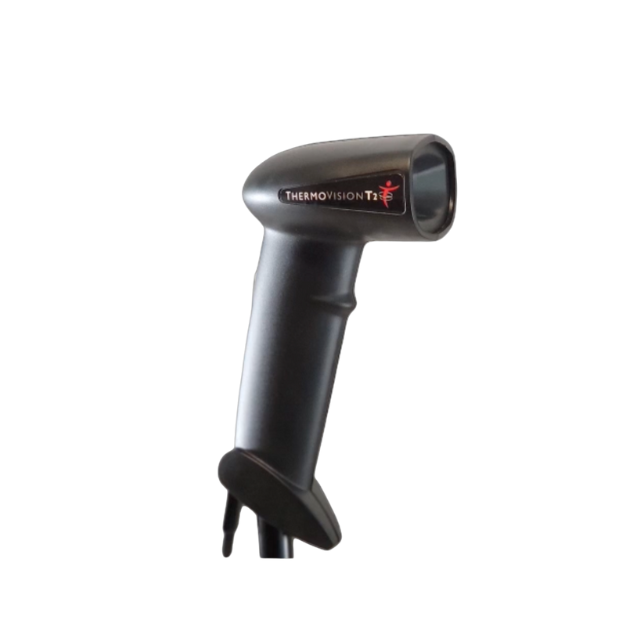
ThermoVision T2 Digital Thermal Imaging
Thermography
Key Features:
- High-resolution infrared sensor with sensitivity to ±0.05 °C
- Detects inflammation, circulatory issues, and nerve dysfunction early
- Contact-free, radiation-free, and completely non-invasive
- Instant, visual thermal reports for easy patient communication
- Integrates with EMR systems for seamless documentation
- Portable, user-friendly, and designed for busy clinical environments
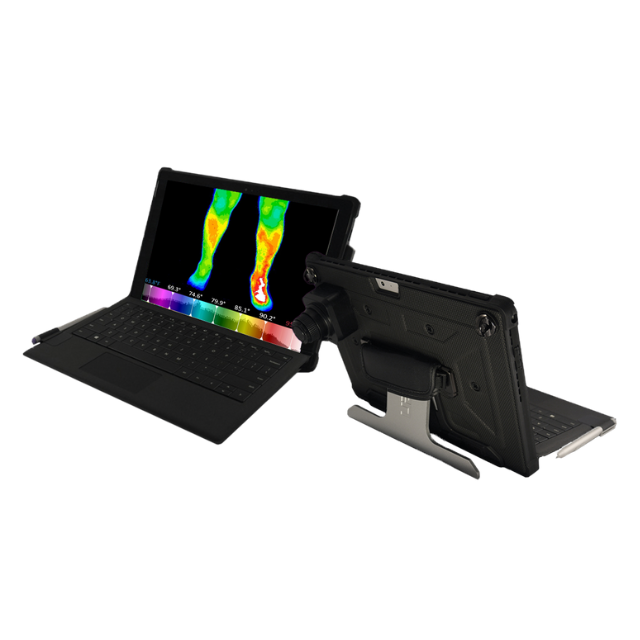
Human Thermal Imaging System
WellVu Medical
Key Features:
- Medical-grade thermal calibration for consistent accuracy
- Provides full-body temperature mapping in seconds
- Helps identify inflammation, vascular irregularities, and pain sources
- Non-contact and safe for all patient demographics
- Simple software interface with baseline comparison and tracking
- Compact and workflow-friendly for any practice or wellness setting
Thermal Imaging
Enhance your diagnostic capabilities with advanced infrared imaging technology. JAG Medical Solutions offers professional-grade thermal imaging systems that provide objective, non-invasive assessment of physiological conditions through detailed temperature mapping.
Thermal imaging, also known as digital infrared thermal imaging (DITI) or thermography, uses infrared cameras to detect and measure heat patterns emitted from the body's surface. Temperature variations and asymmetries can provide valuable clinical information about circulation, inflammation, nerve function, and other physiological processes. The technology offers immediate visual feedback, is completely non-invasive and non-contact, and can be used to track changes over time, making it a valuable tool for assessment, documentation, and monitoring treatment progress.
What sets JAG Medical Solutions apart isn't just the equipment, it's our complete approach. When you invest in a thermal imaging system through JAG, you receive comprehensive training, ongoing clinical support, and integration with our Concierge Modality Suite™ protocols. This ensures consistent, evidence-based imaging techniques and interpretation methods.
Whether you're enhancing an existing practice or establishing new assessment capabilities, our thermal imaging solutions provide the technology, training, and nationwide network support needed to succeed.

What is thermal imaging and how does it work?
Thermal imaging uses infrared cameras to detect heat patterns emitted from the body's surface. All objects with a temperature above absolute zero emit infrared radiation. Medical thermal imaging cameras can detect these subtle temperature variations with precision, often down to 0.1°C or less. The camera converts this infrared radiation into visual images called thermograms, where different colors represent different temperatures. These images can reveal patterns of heat distribution that may correlate with various physiological conditions, as blood flow, inflammation, and nerve function can all influence surface temperature.
What clinical applications does thermal imaging have?
Thermal imaging is used for assessment and documentation in various clinical settings. Common applications include evaluating temperature patterns associated with musculoskeletal conditions, assessing circulation and vascular function, identifying areas of temperature asymmetry that may correlate with dysfunction, monitoring changes over the course of treatment, documenting pre and post-treatment status, and screening for conditions that may present with thermal signatures. Thermal imaging serves as an adjunctive assessment tool and should be used in conjunction with other clinical findings and diagnostic methods.
How long does a thermal imaging assessment take?
The imaging process itself typically takes 10-20 minutes depending on the areas being assessed and the protocol used. However, proper thermal imaging requires an acclimation period where the patient equilibrates to room temperature for 15-20 minutes before imaging. This acclimation is essential for accurate, reproducible results. Total appointment time including acclimation, imaging, and initial review typically ranges from 30-45 minutes. The non-contact, non-invasive nature makes the process comfortable for patients.
Is thermal imaging safe? Are there any contraindications?
Thermal imaging is completely safe as it is entirely passive and non-invasive. The camera simply detects heat naturally emitted by the body and does not emit any radiation, use any contrast agents, or make physical contact with the patient. There are no known risks or contraindications. This makes thermal imaging safe for all patient populations including pregnant women, children, and patients with implanted devices. The technology can be used repeatedly without any safety concerns for monitoring changes over time.
Can thermal imaging diagnose medical conditions?
Thermal imaging is an assessment and documentation tool that provides physiological information based on temperature patterns. It does not diagnose specific conditions but rather provides objective data about temperature distribution and asymmetries that may be clinically relevant. Thermal findings should always be interpreted within the context of the patient's history, symptoms, physical examination, and other diagnostic findings. Thermal imaging is most valuable as part of a comprehensive clinical assessment and for tracking changes during treatment.
What kind of training and support does JAG Medical Solutions provide?
Unlike manufacturers who simply sell equipment, JAG Medical Solutions provides comprehensive training that covers clinical applications, treatment protocols, safety procedures, and practice integration. Our training includes hands-on instruction, ongoing clinical support, marketing resources, and access to our nationwide network of practitioners. We ensure you have not just the equipment, but the knowledge and confidence to implement protocols from day one.
How does thermal imaging integrate with other modalities?
Thermal imaging serves as an excellent assessment and monitoring tool that complements therapeutic modalities. Many of our providers use thermal imaging within our Concierge Modality Suite™ to document baseline conditions before treatment with Class IV laser therapy, shockwave therapy, HEIT, or other modalities, and then to track temperature changes as treatment progresses. The objective nature of thermal data provides valuable documentation of physiological changes. Thermal imaging can be performed before treatment, immediately after treatment to assess acute responses, and at intervals throughout a treatment plan to monitor progress.
What is the investment for adding thermal imaging to my practice?
Investment varies based on the specific system, camera resolution, software capabilities, and package selected. Thermal imaging systems range from entry-level portable units to advanced clinical-grade systems with sophisticated analysis software. We work with you to understand both the initial investment and how thermal imaging can enhance your practice's assessment capabilities and documentation. During your consultation, we'll review realistic projections based on your specific practice parameters and provide business development support to help you evaluate the addition to your practice. Thermal imaging can enhance patient communication, support treatment planning, and provide objective documentation of patient status.
ThermoVision T2 Digital Thermal Imaging
Thermography
Key Features:
- High-resolution infrared sensor with sensitivity to ±0.05 °C
- Detects inflammation, circulatory issues, and nerve dysfunction early
- Contact-free, radiation-free, and completely non-invasive
- Instant, visual thermal reports for easy patient communication
- Integrates with EMR systems for seamless documentation
- Portable, user-friendly, and designed for busy clinical environments
Human Thermal Imaging System
WellVu Medical
Key Features:
- Medical-grade thermal calibration for consistent accuracy
- Provides full-body temperature mapping in seconds
- Helps identify inflammation, vascular irregularities, and pain sources
- Non-contact and safe for all patient demographics
- Simple software interface with baseline comparison and tracking
- Compact and workflow-friendly for any practice or wellness setting
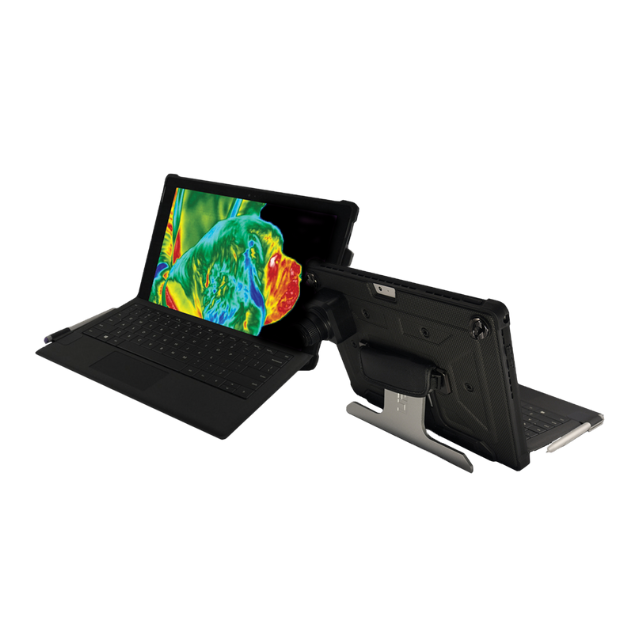
Animal Thermal Imaging System
WellVu Veterinary
Key Features:
- Veterinary-specific calibration for accurate animal thermography
- Detects inflammation and injuries before clinical symptoms appear
- Ideal for equine, canine, and exotic species
- Fear Free-certified, ensuring low-stress examinations
- Portable and rugged design for in-clinic or mobile use
- Includes RACE-approved training and ongoing support